

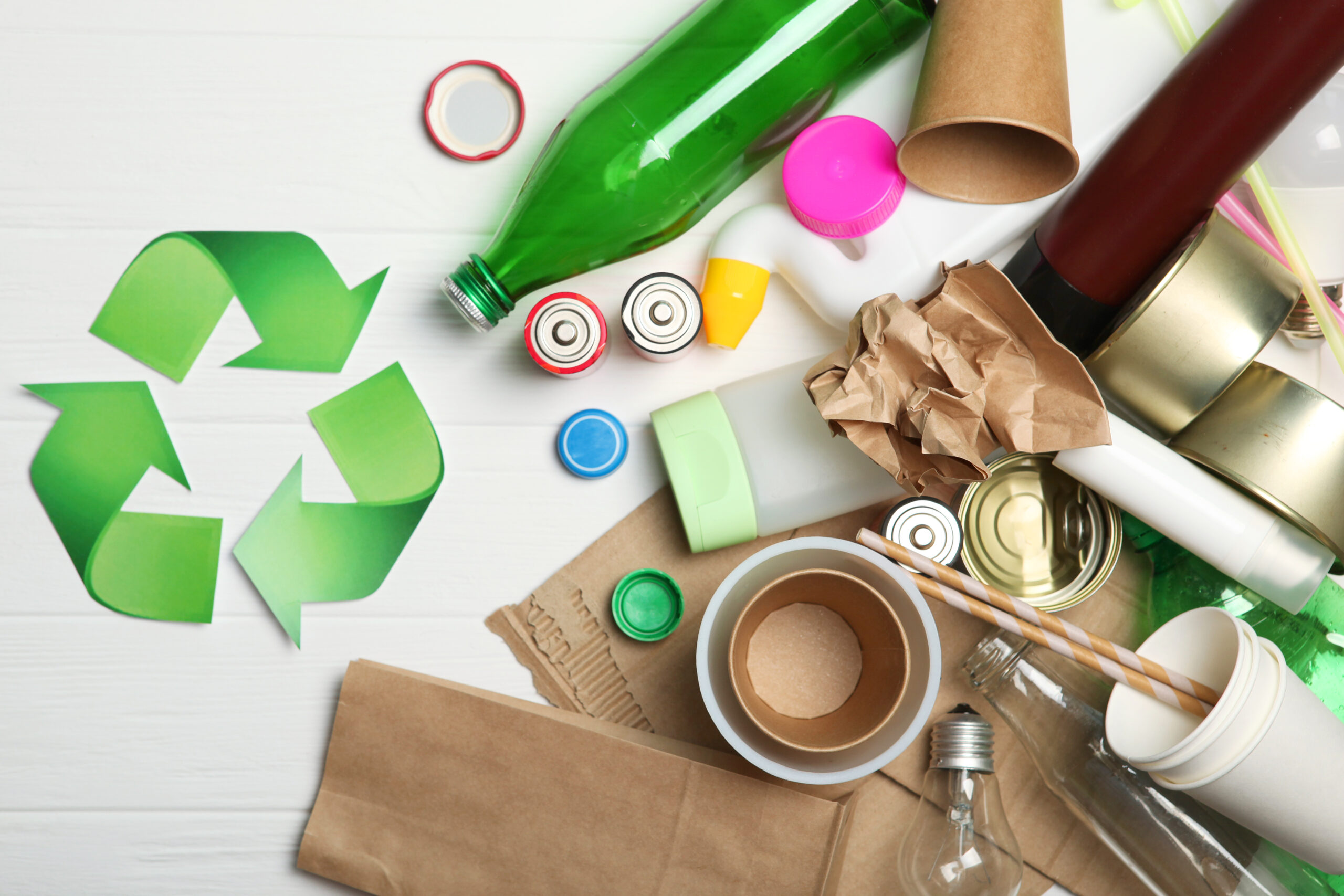
Our focus on sustainability is at the forefront of consumer consciousness, one innovative approach is making significant strides towards reducing waste—depackaging. Depackaging involves removing excess packaging materials from products, thereby allowing for better recycling and waste management. This process not only streamlines the recycling effort but also enhances the overall efficiency of waste management systems. As environmental concerns grow, effective depackaging has never been more critical. This article delves into its environmental impact, focusing on its role in promoting a more sustainable future for our planet.
Traditional waste disposal methods often contribute to overflowing landfills, environmental degradation, and ongoing pollution. Packaging waste alone constitutes a staggering portion of what ends up in these landfills, harming ecosystems, wildlife, and human health. For instance, single-use plastics and non-recyclable packaging items take hundreds of years to decompose, leaching toxins into the soil and waterways. Depackaging addresses these pressing concerns by eliminating non-recyclable and unnecessary packaging before it contributes to waste. By ensuring that only recyclable materials are processed, businesses can significantly reduce their environmental footprint and promote a circular economy, where materials are reused rather than discarded.
Moreover, depackaging facilitates better waste sorting, which is vital for efficient recycling processes. When products arrive in excessive packaging, mixed materials complicate recycling efforts, often resulting in low-quality recycled materials or entire loads being sent to landfills. Implementing depackaging practices allows companies to separate recyclable components from non-recyclable materials early in the process, enhancing the quality and quantity of recyclables for processing. This not only promotes the recycling industry but also maximizes the lifecycle of materials, creating a more robust system for managing resources sustainably.
As companies like EcoWise embrace depackaging, they set a standard for others to follow, further highlighting its importance in the sustainability movement. By leveraging advanced technology to streamline the depackaging process, businesses can improve efficiency and enable better tracking of materials throughout the supply chain. This information provides valuable insights into material usage, waste generation, and recycling efficiency, leading to informed packaging design decisions that prioritize sustainability from the outset. Such proactive strategies are essential for minimizing waste and ensuring that packaging materials are as environmentally friendly as possible.
The benefits of depackaging extend beyond waste reduction; they also contribute to significant resource conservation. Enhancing the recycling process means fewer natural resources are needed to produce new products. Recycling materials such as plastics, metals, and paper requires substantially less energy compared to extracting and processing raw materials. For example, recycling aluminum saves up to 90% of the energy required to create new aluminum from bauxite ore. By minimizing packaging waste that reaches landfills, businesses can greatly decrease their overall environmental impact and contribute to a more sustainable manufacturing cycle.
From a consumer perspective, the shift towards depackaging fosters a sense of environmental responsibility and empowerment. Consumers who are aware of their choices can demand better packaging practices from brands, holding companies accountable for their sustainability efforts. This increased awareness can create a ripple effect, encouraging further innovations in eco-friendly practices across industries. As consumers gravitate towards brands that prioritize sustainability, companies are incentivized to adopt more responsible packaging and waste management strategies.
In addition to environmental benefits, there are significant economic incentives tied to depackaging. Companies that adopt efficient material management and depackaging strategies can reduce waste disposal costs and increase profitability through better recycling returns. Furthermore, organizations engaged in sustainable practices often experience enhanced brand loyalty and customer trust, as consumers increasingly prefer eco-conscious businesses. This trend highlights the dual advantage of adopting sustainable practices—environmental responsibility and economic viability.
Learning from successful depackaging initiatives can inspire others to embrace sustainability strategies. Companies should view these efforts not as additional costs but as investments in the future. By collaborating with specialists in waste management and recycling, organizations can develop tailored depackaging solutions aligned with their sustainability goals. This collaborative approach can also foster innovation, as companies share best practices and develop new methods to minimize waste together.
In conclusion, depackaging represents a transformative approach to managing packaging waste and promoting environmental sustainability. By rethinking how we handle packaging materials, we can significantly reduce waste, conserve resources, and inspire a collective movement towards a more sustainable future. As innovation in technique and technology continues, the depackaging process will play an increasingly vital role in our efforts to preserve the environment. This evolution drives home the message that unwrapping sustainability is not just an ideal—it’s a necessary reality for our planet’s health and for future generations. In fostering a culture of sustainability, we not only protect our environment but also ensure a thriving economy rooted in responsible practices.